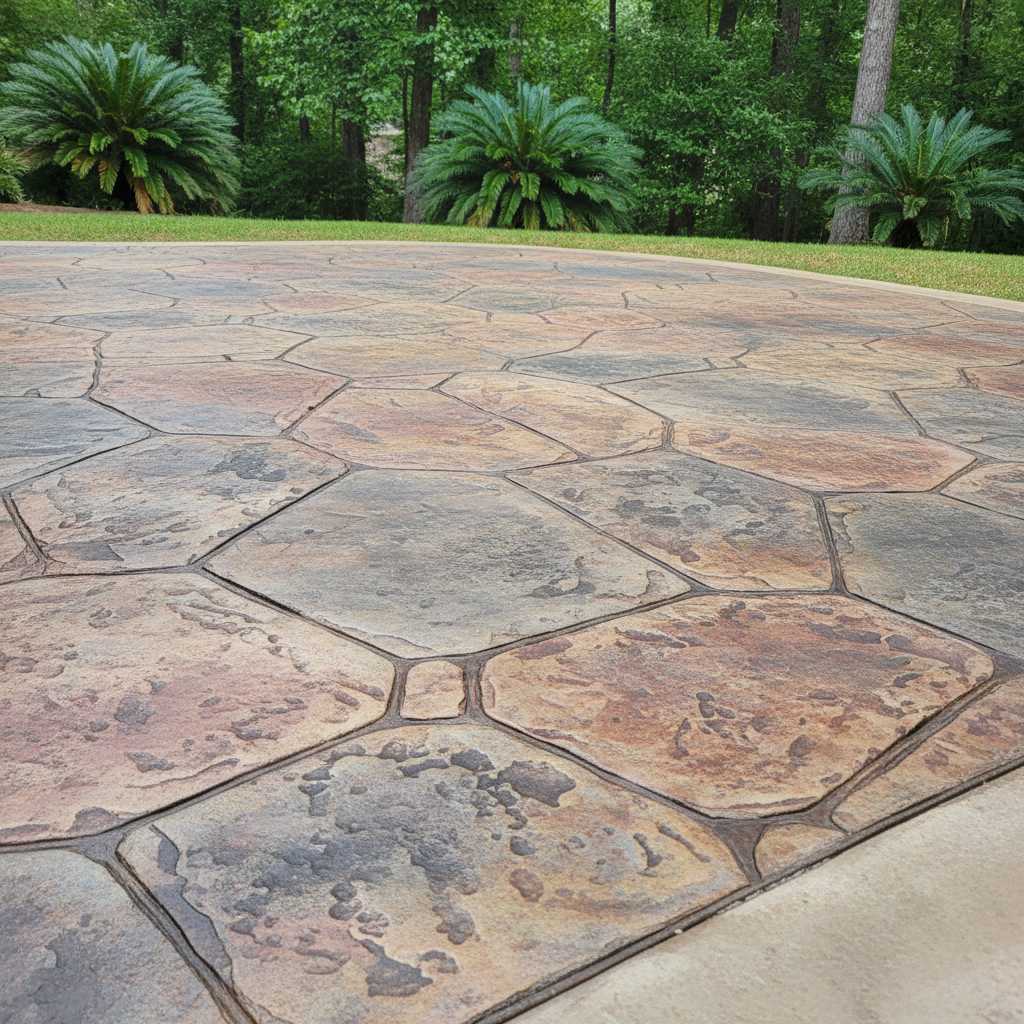
What's Decorative Concrete, Anyway?
Alright, let's talk about decorative concrete. It's so much more than just that plain gray stuff you see everywhere, you know? This kind of concrete really takes the traditional material and spruces it up with color, texture, or even both. We're talking about making it look like natural stone, brick, wood, or just giving it a cool, one-of-a-kind finish. The whole point is to make your concrete surfaces look great, but still keep them tough as nails. You can use it for patios, walkways, driveways, and even inside your Hoover home.
Before You Start: Planning Your Project
Before you even think about mixing a bag of cement, you've got some decisions to make. First off, what kind of look are you actually going for? There are a ton of options out there: stained concrete, stamped concrete, exposed aggregate, polished concrete, overlays, and more. Each one gives a totally different vibe and has its own process. Stained concrete, for instance, soaks into the surface for earthy tones or really vibrant colors, while stamped concrete presses patterns into it to mimic other materials. Pretty neat, huh?
Next, think about your budget and how much work you're actually willing to put in. This is where the big DIY vs. Pro question really pops up. For smaller, simpler projects, you might be able to handle it yourself. But for anything significant, especially if it means pouring new concrete, you're probably better off calling in a professional. I've seen too many DIY attempts go completely sideways because folks just didn't realize how complex it could be.
DIY vs. Pro: Where to Draw the Line
So, what can you realistically tackle yourself? And when should you just pick up the phone and call someone like us at Magic City Concrete?
- Small Staining or Sealing Jobs: If you've got an existing concrete surface that just needs a refresh with a new stain color or a fresh coat of sealer, that's often a pretty manageable DIY project. You can find water-based stains that are fairly forgiving. Just make sure you clean the surface really well first.
- Micro-toppings/Overlays on Small Areas: Looking to resurface a small, worn-out concrete spot? A thin micro-topping or overlay might be doable. These are thin layers you apply over existing concrete. Again, start small to get a feel for how it works.
- Cleaning and Basic Maintenance: This is absolutely in your court! Regular sweeping, damp mopping, and cleaning up spills right away will keep your decorative concrete looking fantastic. We'll talk more about this in a bit.
Now, when should you call a pro? Pretty much anything involving new concrete pours, complex patterns, or large areas. Here's why:
- New Pours and Stamping: Pouring concrete isn't just about dumping it out of a truck. You need proper site preparation, like leveling the ground and making sure there's good drainage – super important with our red clay soil here in Hoover. Then there's the mixing, screeding, finishing, and, if you're stamping, getting those patterns just right before it cures. This takes skill, specialized tools, and often several people working quickly. Messing up a new pour can lead to costly repairs or even having to rip it all out, which nobody wants.
- Large or Complex Staining/Polishing: While small staining jobs can be DIY, large areas or intricate designs are best left to pros. We have the right equipment for even application and can make sure the color is consistent. Polishing concrete, which involves grinding and honing, is definitely a pro job.
- Structural or Foundation Work: This should always be handled by experienced contractors. Decorative concrete is mostly for looks, not for holding up your house.
During the Project: What to Expect (if you hire us)
If you decide to go with a professional for a bigger job, here's a quick rundown of what we'll be doing:
- Site Preparation: We'll clear the area, make sure the ground is properly graded and compacted, and set up forms if we're pouring new concrete. This step is crucial for a long-lasting, crack-free surface.
- Pouring and Finishing: We'll mix and pour the concrete, then get to work on the finish. For stamped concrete, this means putting down color hardeners and release agents, then pressing the patterns into the wet concrete. Timing is absolutely everything here.
- Curing: Once we've placed and finished the concrete, it needs to cure properly. This usually means keeping it damp for a while to ensure maximum strength and help prevent cracking.
- Sealing: Finally, we'll put on a high-quality sealer. This protects the concrete from stains, UV damage, and general wear and tear, plus it really makes it pop.
After the Project: Keeping it Beautiful
Once your decorative concrete is in, you want to keep it looking good, right? It's pretty low maintenance, but a little care goes a long way.
- Regular Cleaning: Sweep or blow off debris often, especially for outdoor surfaces. For indoor floors, dry mop daily to get rid of dust and dirt. For wet cleaning, use a damp mop with warm water and a pH-neutral cleaner. Please, avoid harsh chemicals like bleach, ammonia, or citrus cleaners, as these can really damage the finish and sealer.
- Clean Spills Immediately: This is a no-brainer. The quicker you clean up spills, the less chance they have to stain.
- Protect High-Traffic Areas: Use area rugs or mats in entryways and other spots that see a lot of foot traffic. This helps prevent scuffs and scratches.
- Resealing: This is probably the most important maintenance task. Most decorative concrete surfaces need to be resealed every few years, typically every 18-24 months for outdoor areas. The sealer protects the color and the concrete itself. You can often do this yourself, but make sure the surface is clean and dry before applying. If you're unsure, a pro can handle it.
- Winter Care: If you have outdoor decorative concrete, don't use salt or de-icers in the winter. They can break down the sealer. Also, be careful with metal shovels; use plastic ones to avoid scratching.
Decorative concrete is a fantastic way to add beauty and value to your Hoover home. Whether you're thinking about a new patio, a refreshed driveway, or an eye-catching indoor floor, understanding the process and knowing when to call in the experts will ensure you get results you'll love for years to come.